How to Experience Bangkok Like a Local (2026 Guide)
Trade the Grand Palace queue and Khao San Road for canal boats, neighbourhood eateries, and the quiet sois where daily Bangkok actually happens.
Bangkok is a memorable place to visit, but if you find yourself in a long queue at the Grand Palace or squeezing your way down Khao San Road, it may feel like you’re in an assembly line with other tourists.
Beyond these areas, though, is a completely different city full of community canal boats, neighbourhood eateries and quiet residential alleys known as sois. The eateries here offer delicious food, amazing experiences and menus that aren’t in English.
We have designed this guide for independent travellers who are staying in Bangkok and want to trade the typical tourist itinerary for a more authentic slice of daily life there.
Where to Stay: Forget Khao San Road
Do you want to live like a local? Then skip out on Khao San Road – a tourist-oriented area. The lifeline of the city is its public transit system, so staying close to the MRT Subway or BTS SkyTrain will reduce your dependence on street taxis, which can get stuck in gridlock or even refuse to use their meter.
Some of the top local neighbourhoods you could use as your base in Bangkok include:
- Ari: Upscale cafe culture, quiet boutiques and leafy residential streets – great for solo travellers or hip professionals
- Ratchathewi: Bustling with students, access to fast transit and excellent street food
- Thong Lor & Ekkamai: Upscale and trendy nightlife, neighbourhood food alleys and independent design studios
- Phra Khanong & On Nut: Diverse mix of residential areas with highly affordable eats
It is worth travelling to Khao San Road for a brief visit so you can experience all the chaotic neon energy. Just keep in mind that it’s not a true representation of what Bangkok really is.
If you want a slightly calmer atmosphere where expats and local college students gather, go to Soi Rambuttri, which is just one street over.
Master the Local Transit Network
Not only does public transportation in Bangkok save you money, but it also gives you an immersive experience of everyday life in the city.
- The Rails (BTS & MRT): These can bypass road traffic completely. Take either to an unfamiliar place, step out and wander through surrounding neighbourhood loops.
- Orange-Flag Express Boat: Skip out on the private tourist boats that are offered. This low-cost public commuter boat will allow you to ride alongside residents for around 18 THB as you experience the Chao Phraya River.
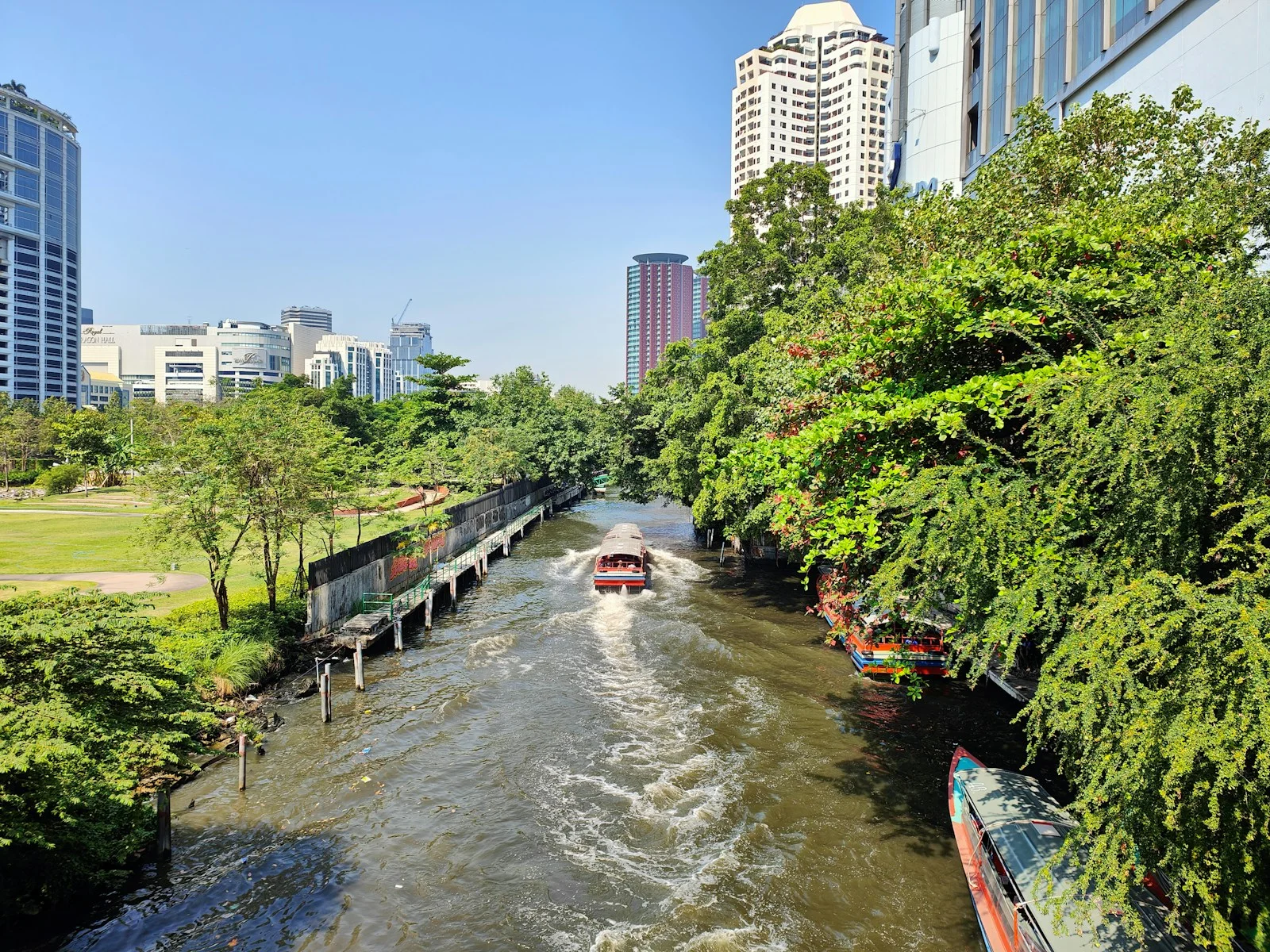
- Khlong Saen Saep Canal Boats: Public commuter boats can reach the eastern districts such as Ramkhamhaeng. You can get an amazing look at working waterways and wooden canal houses that are invisible from the city’s main roads.
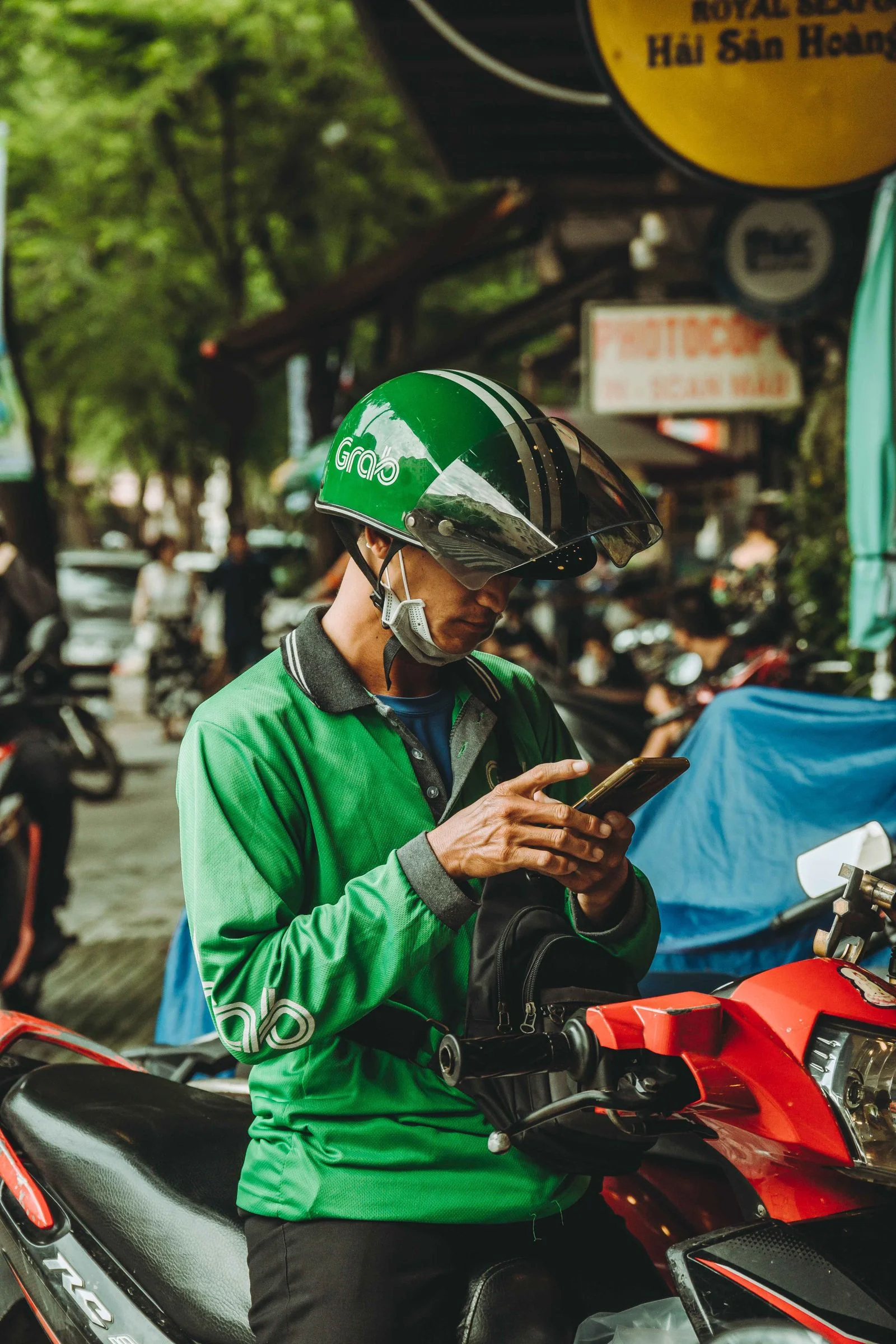
- GrabBike Motorbikes: Can be a practical solution when traffic is at a standstill. Traversing the city in one of these provides a distinct experience. Just make sure to request a helmet and always wear it.
Manussanun Sriwiraj, who serves as a local guide for Find A Local, says public transportation is the best way to see even the most popular sites in the city. She says going to the Grand Palace or the Chatuchak weekend market via public transportation is the best way, as is taking a full tour of the city.
Explore the City’s Neighbourhoods
The true personality of Bangkok reveals itself as soon as you divert from the main thoroughfares and enter into the small districts where you can no longer hear the noise of traffic.
According to Manussanun, it’s great to experience the local lifestyle that some of these neighbourhoods can provide.
Talat Noi & Charoen Krung
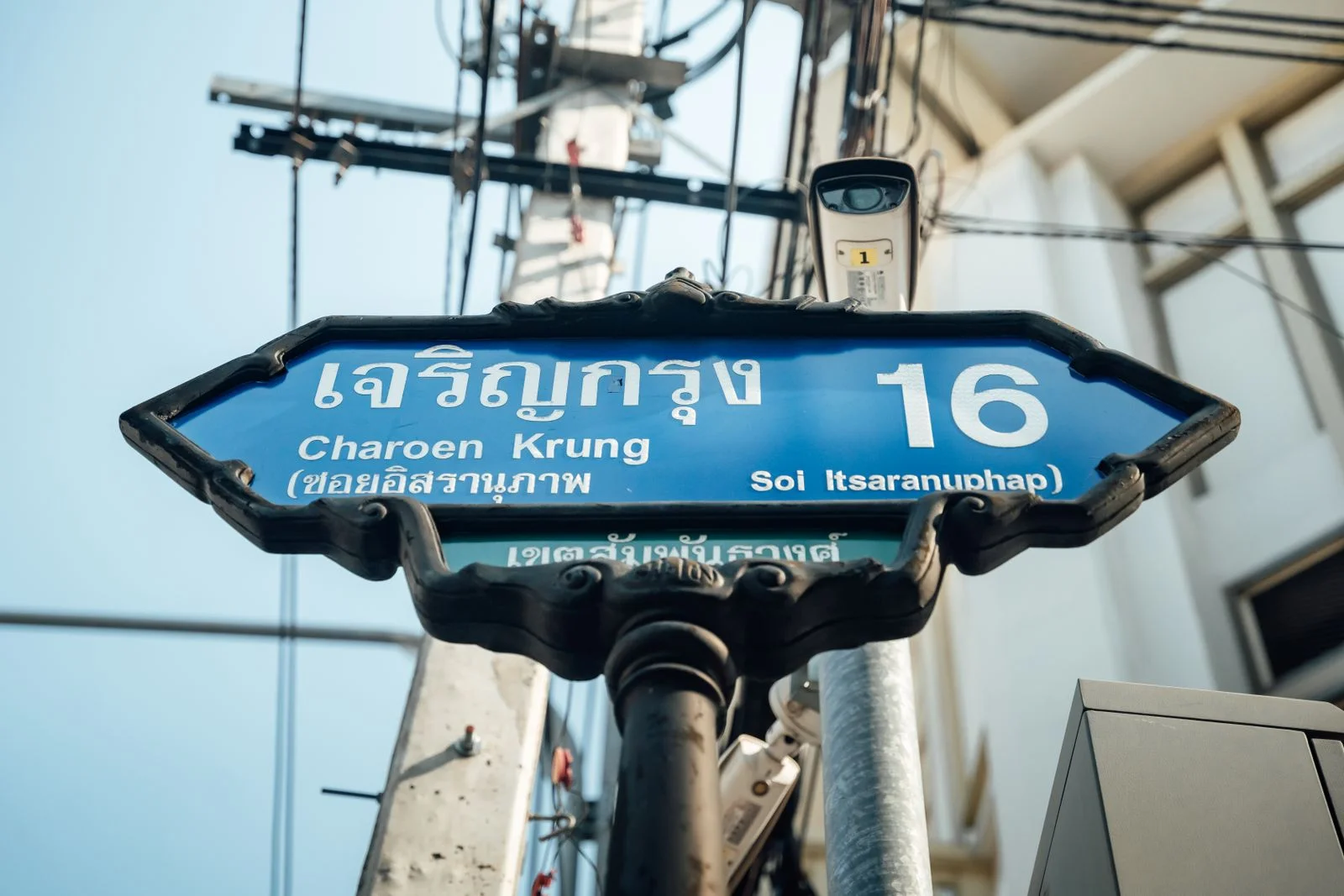
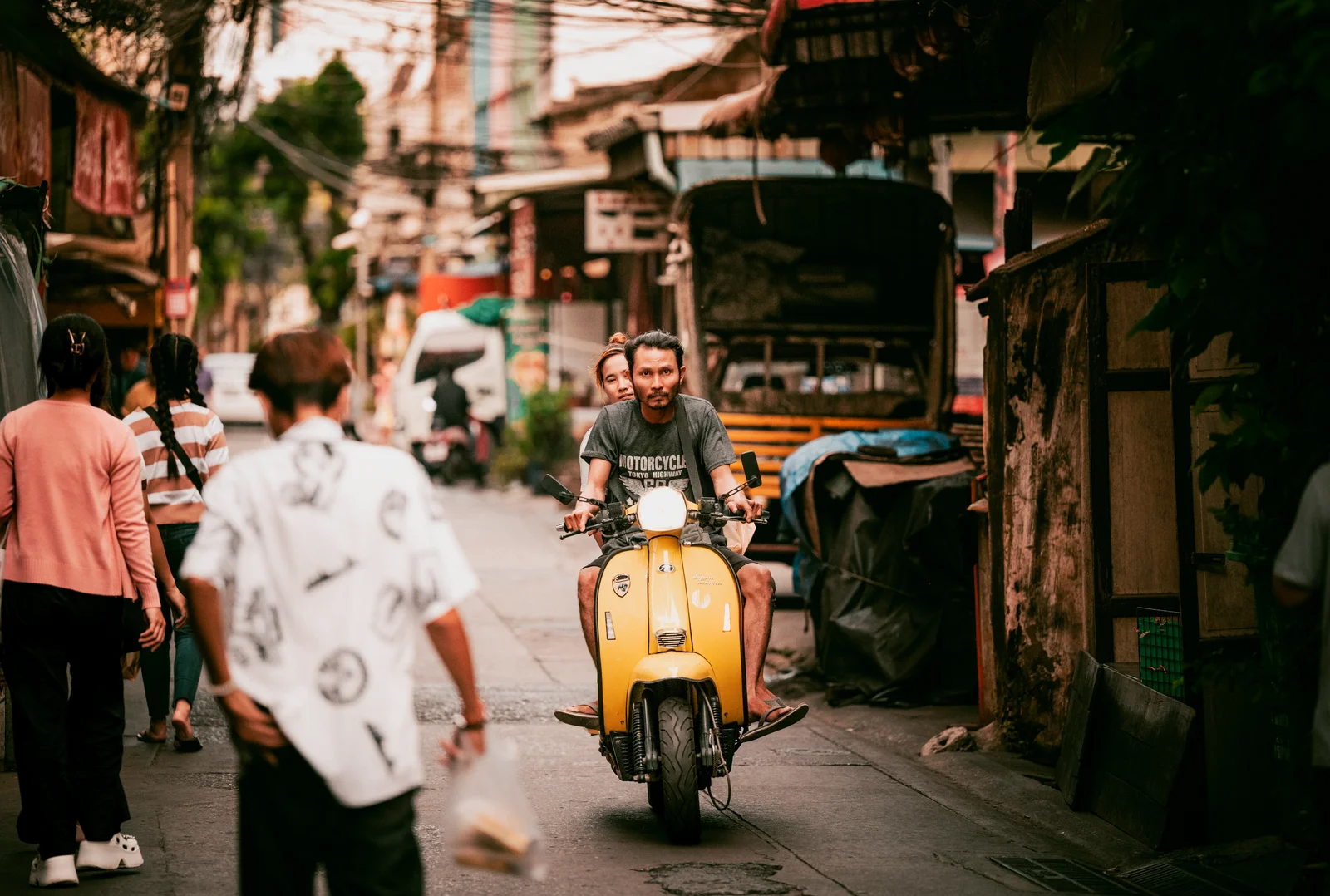
The historic area by the riverside is a blend of industrial mechanics and cutting-edge creativity. There are narrow alleys where elders repair car parts as they sit next to artists making vibrant street pieces.
You can also find the Thailand Creative & Design Centre (TCDC) and Warehouse 30 here.
Ramkhamhaeng
Head east to escape the tourist crowds. This particular neighbourhood reveals the vibrant mosques, Muslim communities and incredible dining options such as beef biryani slow-cooked and served with fresh roti.
Chinatown
Bangkok’s Chinatown (known as Yaowarat) is visited by tourists mainly at night, as they look to see its crowded main thoroughfare. But if you want to experience it like the locals do, go there during the day.
Arrive in the morning before the scooters fill the streets and the wholesale shops open their doors. Explore Talat Noi’s small alleys where you can find street art and historic shophouses.
Shopping options abound at the Sampheng Market — a dense network of goods that are practical needs for locals rather than souvenirs for tourists. Structured walking or cycling tours (such as Co van Kessel) are highly recommended for navigating through hidden residential pathways safely.
Eat Where the Locals Do
Shophouses vs Tourist Stalls
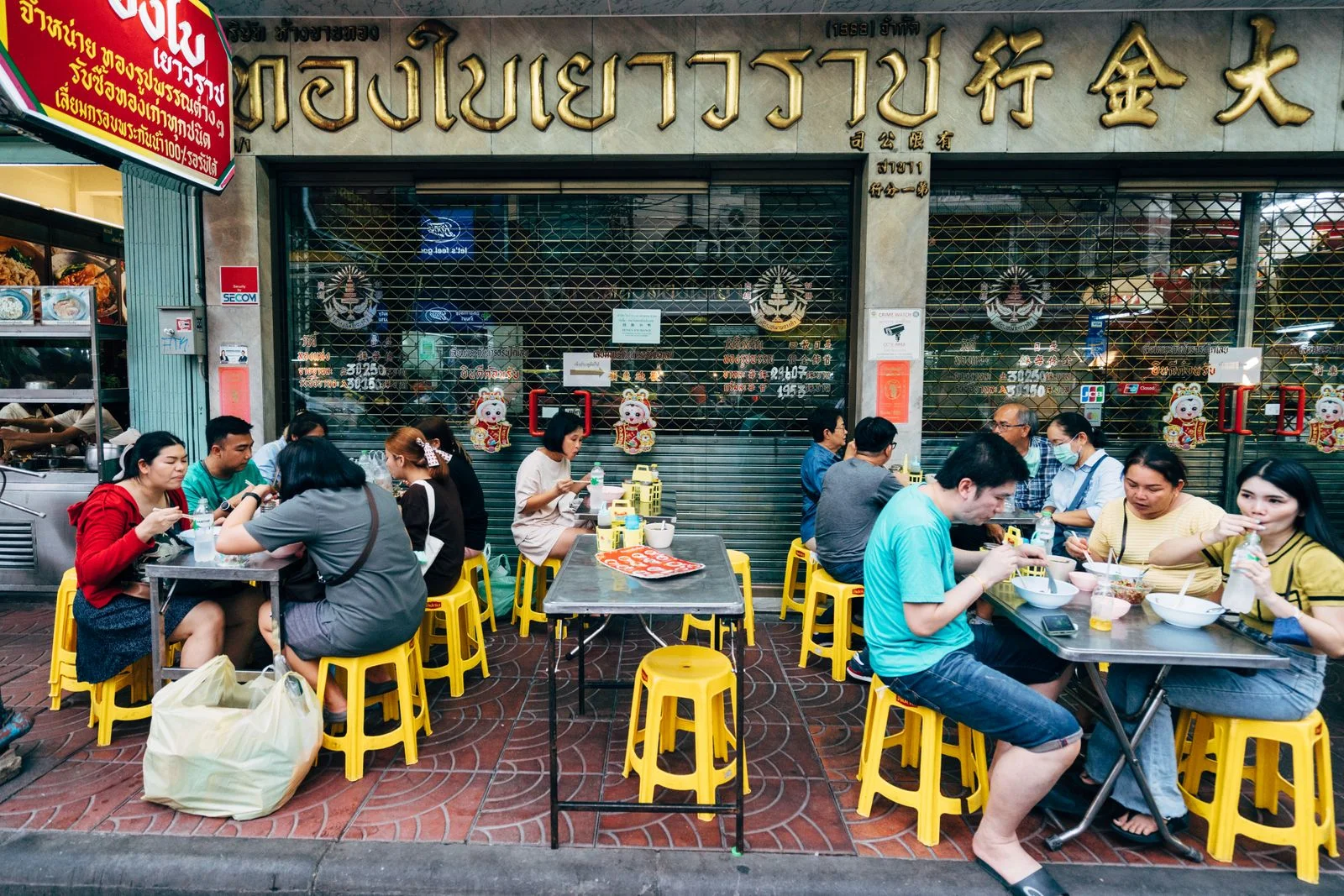
The authentic food in Bangkok can be found in the small restaurants that have metal tables. That’s where you’ll see locals going to eat.
In the middle of the day, side alleys in Silom and Sathorn are filled with office workers who are looking for great lunch deals.
An Ultimate Local Hack: Mall Food Courts
Local residents escape the heat and head to food courts in shopping malls to enjoy amazing food and air conditioning.
One of the best places for this is Pier 21 at Terminal 21. Many dishes are available for approximately 40–70 THB, although prices may change.
Local Dishes You Must Try
Branch out from fried rice and try comfort staples of local neighbourhoods, including:
- Green Papaya Salad (Som Tum): An amazing dish commonly paired with sticky rice (Khao Niao) and grilled chicken (Gai Yang)
- Grilled Pork Neck (Kor Moo Yang): Marinated and cooked over charcoal, served with a smoky dipping sauce
- Minced Pork Salad (Laab Moo): Refreshing and herby, with chilli and lime
- Holy Basil Stir-Fry (Pad Kra Pao): A quintessential comfort dish, stir-fried meat with chillies and holy basil, served with a crispy fried egg over rice
Choose Authentic Markets
Myth of the Floating Market
Damnoen Saduak isn’t the only floating market you can experience. Not only is it extremely commercialised, but it’s also located more than 100 kilometres from Bangkok’s centre.
A better option is Khlong Lat Mayom. It’s much more authentic, cheaper and closer. Another option is Bang Nam Pheung, located in the “Green Lung” (Bang Krachao) of the city that offers an island-like respite.
While there, you can rent a bike and explore local food stalls, mangrove forests and raised concrete paths.
Where Locals Shop
- Supercentres: Lotus’s and Big C offer daily products and groceries.
- Khlong Toei Market: This is the bigger raw wet market in Bangkok. Expect an unpolished, wet and loud experience — but it’s authentic since street vendors and chefs rely on it for their food.
- Or Tor Kor Market: If you want something more premium and cleaner, visit this market, which is famous for its regional curries and top-shelf fruits.
Everyday Wellness with Thai Massage
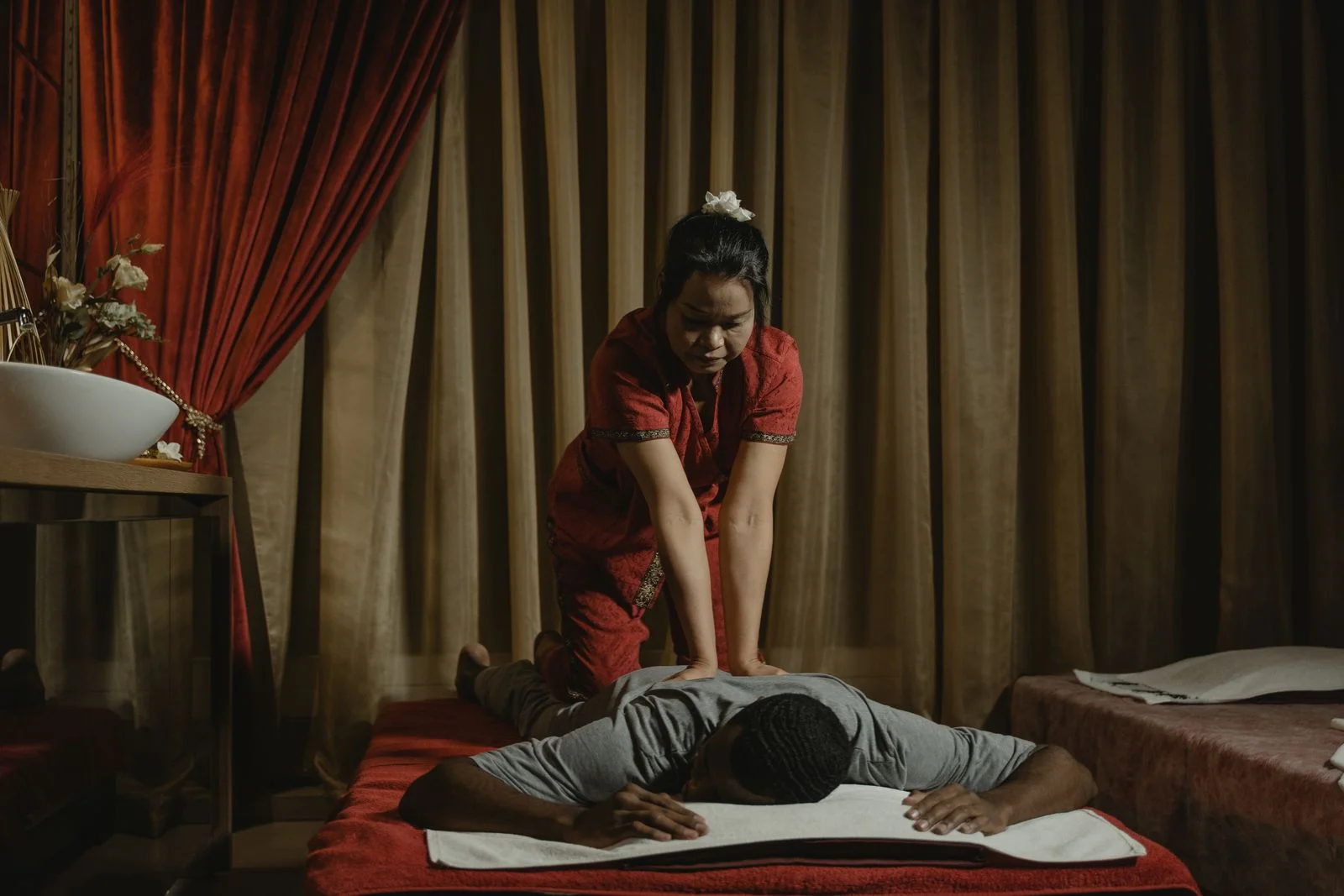
The traditional massage experience in Bangkok, known as Nuad Thai, is affordable and a routine that locals do for everyday health rather than to get a luxurious spa experience.
Wat Pho offers massage pavilions where you can get an authentic experience, as it’s where the practice of traditional medical massage was born.
Just note that this style of massage uses firm pressure and is meant to be therapeutic, rather than being a gentle massage for relaxation.
Local Nightlife
The everyday nightlife that locals in Bangkok enjoy revolves around tables, live Thai music and groups. Many times, locals will go to a place with their friend circle, reserve a table, buy one bottle of spirits that the table shares and converse among the people they came with.
Many venues host live rock cover bands or Thai pop bands. They are also relatively quiet until roughly 23:00 and then are completely packed to the brim come midnight.
If you want to experience this vibe of authenticity, travel to neighbourhoods such as Ekkamai, Thong Lor, Huai Khwang, Ratchada or Saphan Khwai.
Safety Warnings: Scams
- ‘Closed’ Attraction: Tuk-tuk drivers may approach you near landmarks such as Wat Pho or the Grand Palace and try to trick visitors into believing they’re closed for some holiday. In this scam, they’ll try to re-route you to a tailor shop or other “gem” where they get a commission. Never bite on this and check the availability by going to the official ticket counter for the venue.
- Taxi Meter: Some taxi drivers will refuse to turn on their meter, telling you instead they’ll only accept a set cash rate. If this happens, hop out of their vehicle and opt for an app such as Bolt or Grab.
- Uneven Pavement: One safety tip is to watch where you’re walking. While the city is typically safe to walk around, you’ll likely find some parts with loose tiles or uneven sidewalks.
Find the Right Balance
You don’t have to avoid all the well-known attractions to experience Bangkok as local residents do. Instead, you just need to find the perfect balance.
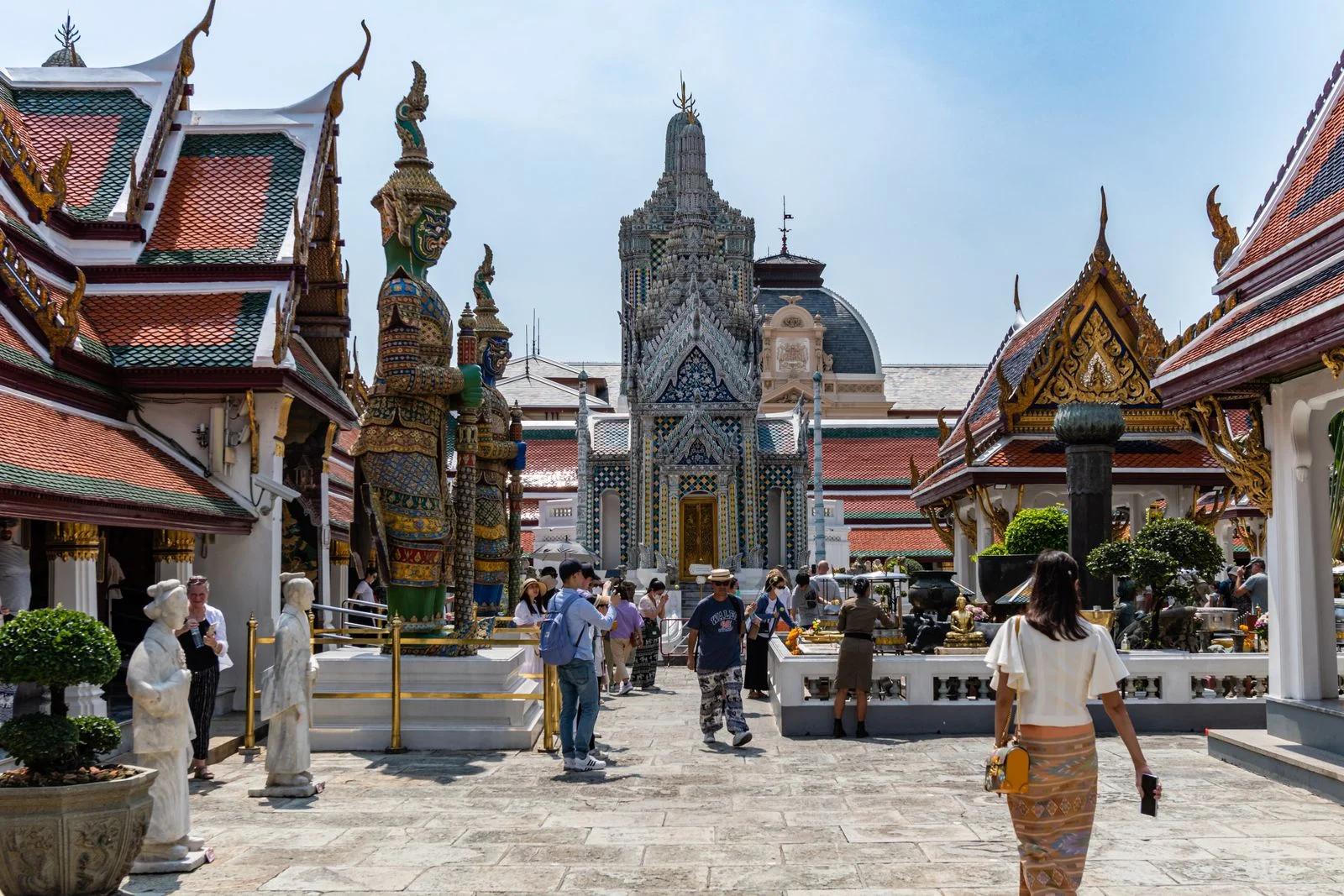
For example, visit the Grand Palace or Wat Pho during the morning and then spend the afternoon eating in a shophouse down an alley, visiting a neighbourhood park once work lets out or riding on a canal boat that commuters take.
When you match the city residents’ natural rhythm and step off the typical tourist path, you can discover the real things that Bangkok offers.