Hidden Gems in Bangkok: Places Most Tourists Never Visit
Leave Wat Pho and Khao San Road behind. A Bangkok local’s map of historic sois, green islands, unusual temples, and culinary institutions most visitors never reach.
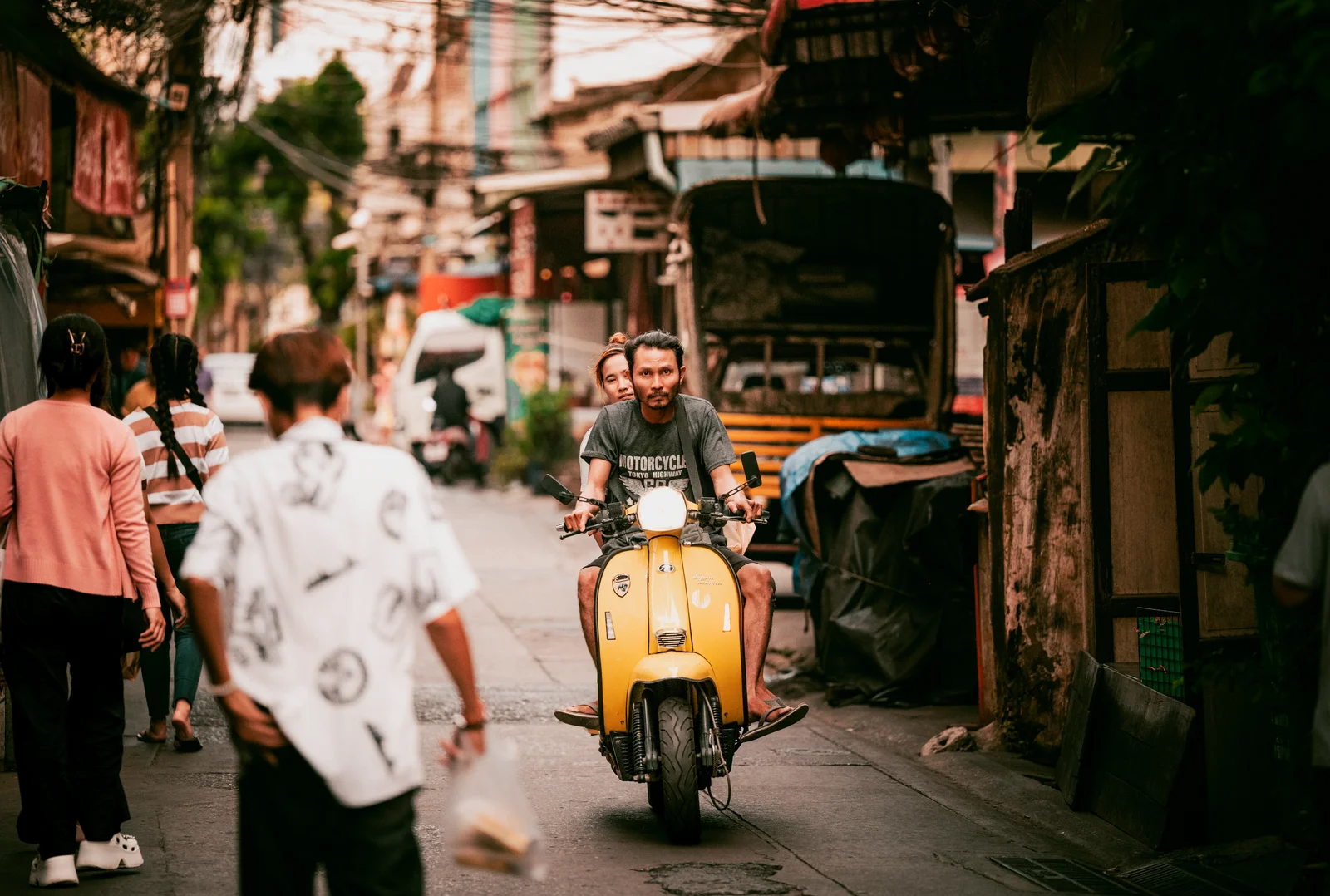
Bangkok is a metropolis with a striking contrast between wooden shophouses that are centuries old and gleaming modern shopping centres located close to each other.
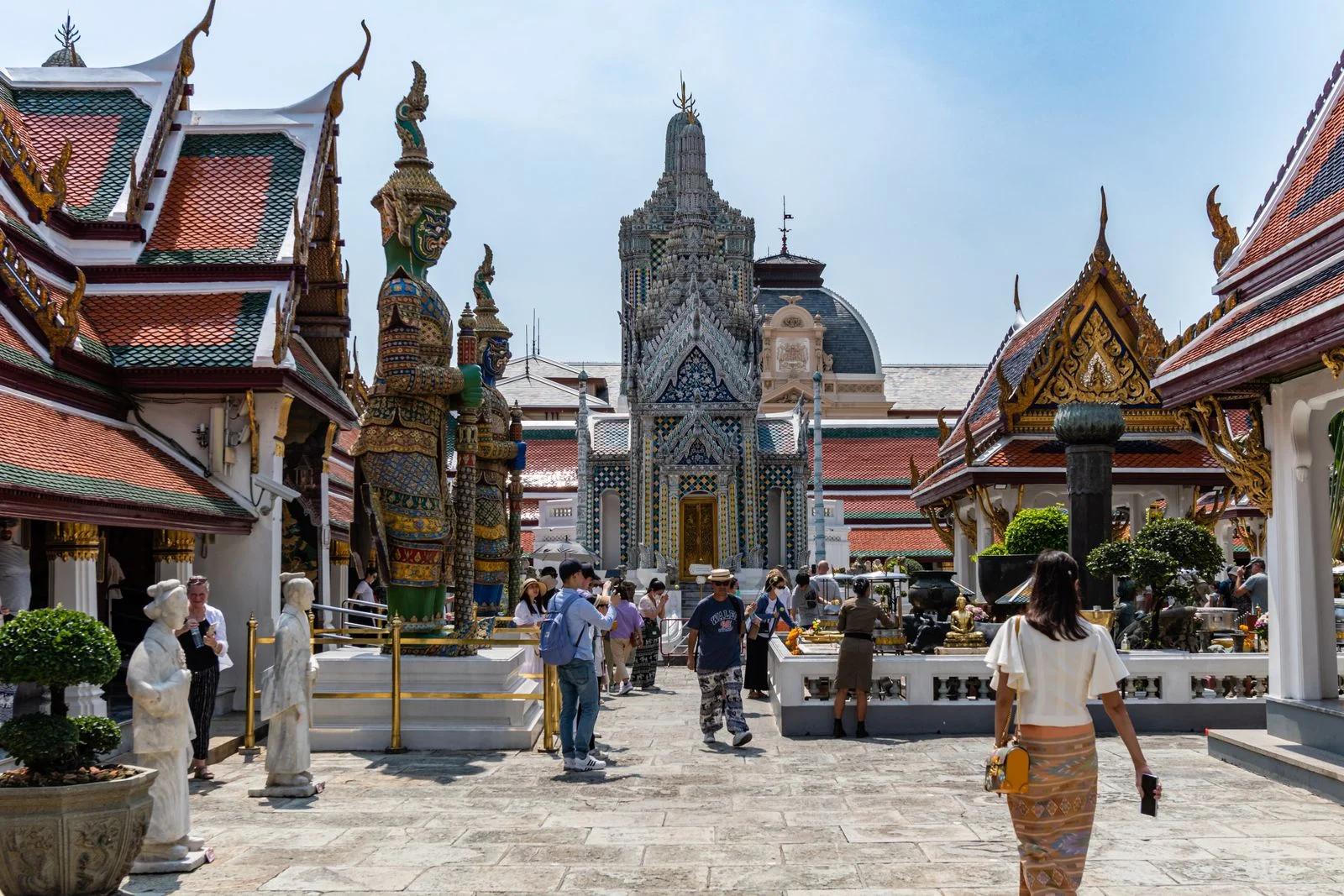
Every year, millions of people from all over the world travel here to experience iconic landmarks Wat Pho and the Grand Palace, as well as Khao San Road. But, discovering its true soul requires you to venture a few blocks off the beaten path.
If you want to find the “hidden gems” of Bangkok, you need to reach places where daily community life is bustling. Visitors can discover a richer and quieter side of the city by embracing slower travel that often isn’t a part of the standard tourist checklist.
Manussanun Sriwiraj, a local guide for Find A Local who has lived in the city for 24 years, suggests taking community tours of Bangkok to experience local markets, the local lifestyle and the people.
In this guide, we’ll present neighbourhoods, spiritual marvels, culinary institutions and ecological escapes that a majority of tourists never experience.
1. Historic Quarters & Micro-Escape Neighbourhoods
Talat Noi & Songwat Road
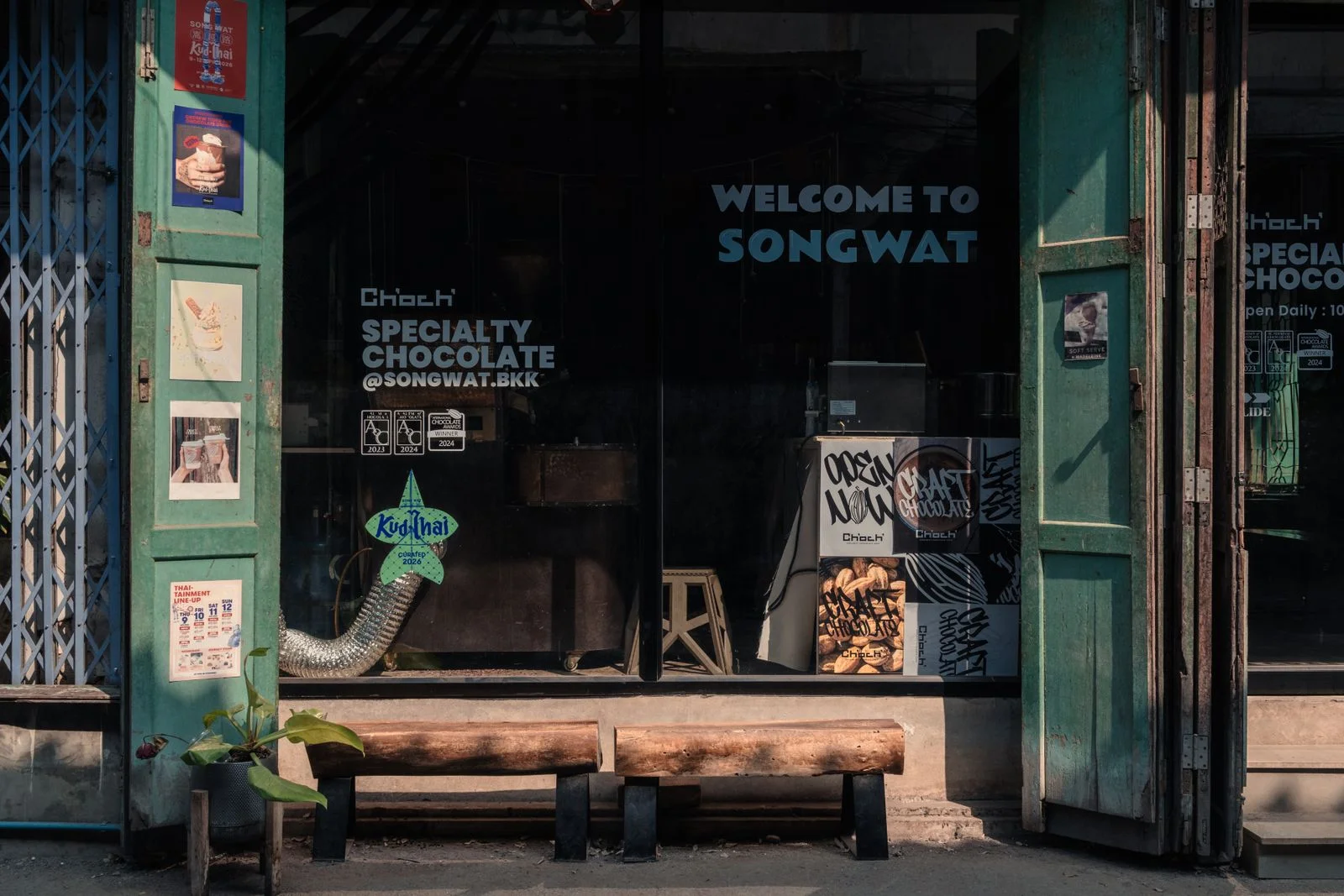
Located on the edge of Chinatown, Talat Noi is one of the oldest residential pockets. Songwat Road runs parallel with Yaowarat Road and offers a completely different atmosphere.
Here, you can visit family-owned spice warehouses and Chinese clan shrines that coexist with contemporary art galleries and more modern coffee shops.
Wander through the maze of narrow alleys (sois) adorned with street art and stacks of engine scrap metal. Mother Roaster is a great specialty coffee shop that operates right above an auto-parts workshop.
The MRT Blue Line will take you to Wat Mangkon station, only a short walk toward the Chao Phraya River. You can walk through back alleys or take a small electric tuk-tuk designed specifically for narrow passages.
Kudi Chin & Baan Silapin
The historic neighbourhood of Kudi Chin is right across the Chao Phraya River. It was first settled in the late 18th century by Portuguese-Thai communities, and is well-known for brick walkways, riverside churches and traditional bakeries that produce Portuguese-style cakes (khanom farang kudi chin).
Another historic canal-side destination worth visiting is Baan Silapin, also known as The Artist’s House, a 200-year-old teak wood house built over the water in the Khlong Bang Luang. This is an active arts centre where people make and perform classical Thai wooden puppetry.
Take either a long-tail boat or local canal boat along so you can experience the water-based lifestyle up close and personal to observe the wooden stilt homes built along the water.
2. Ecological Urban Escapes & Island Havens
Bang Krachao
If you’re looking for an escape from the overwhelming heat, travel to Bang Krachao. Known as the “Green Lung” of Bangkok, this large green area was formed by a bend in the Chao Phraya River, and it’s still very much undeveloped because of local conservation laws.
A short ferry ride across the river will only cost you a few THB, and you can wander through the jungle pathways and various coconut groves.
Navigate the shaded elevated paths by renting a bike near the pier for about 50 THB a day. You can also visit the Sri Nakhon Khuean Khan Park, browse the weekend market and bike up to the tower to watch birds.
Use a ride-hailing app or get a taxi to Wat Bang Na Nok Pier. Then, jump on the ferry to make your way across Bang Krachao.
Koh Kret
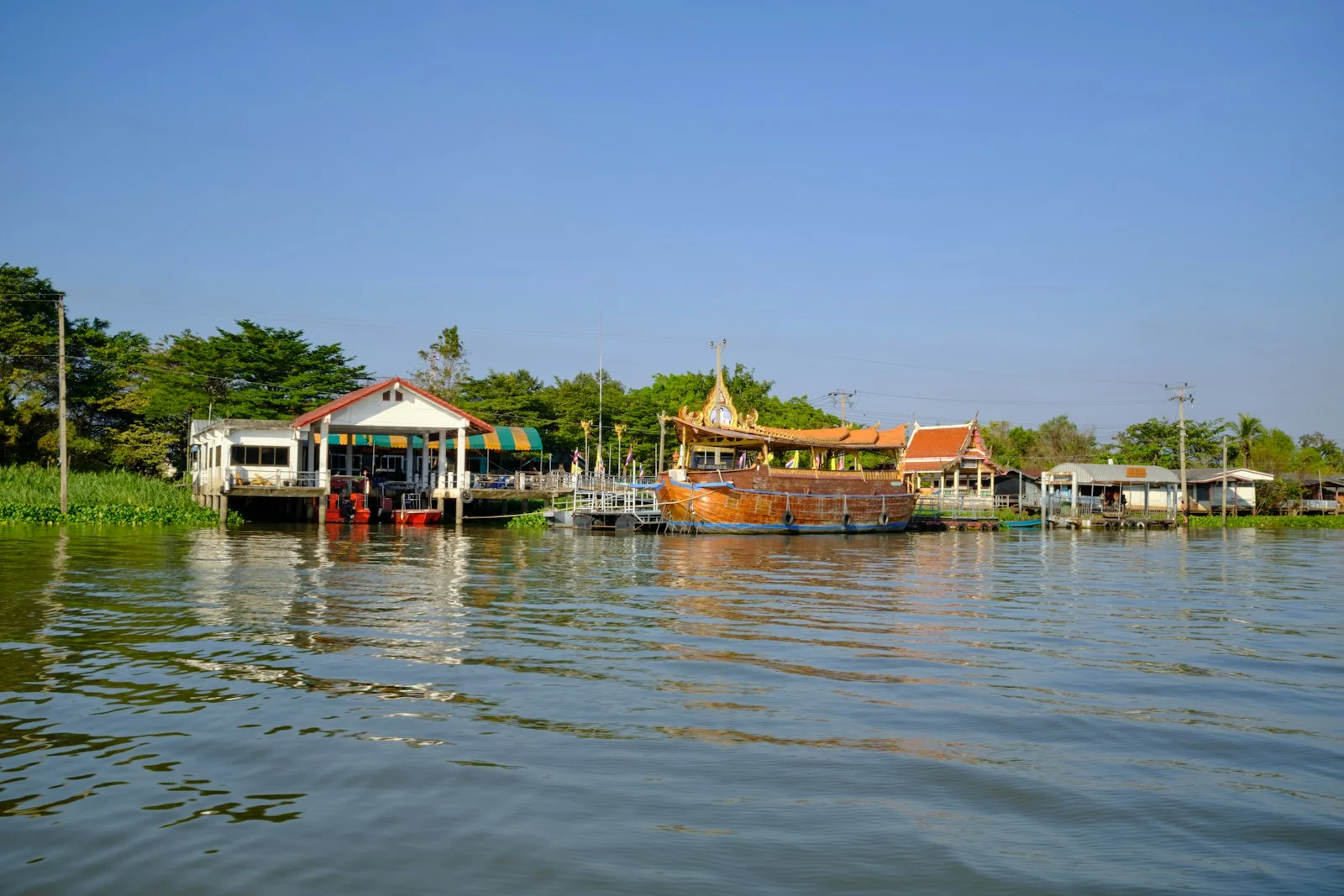
About 20 kilometres north of central Bangkok is Koh Kret, a man-made island in the Chao Phraya River that was created back in 1722 when people dug a canal to bypass a bend in the river.
Today, it’s a historic settlement for the Mon people, who first brought their terracotta pottery-making heritage to this island.
Explore the largely car-free island by renting a bike so you can experience master artisans at work. You should also visit the weekend market to sample traditional snacks and flower fritters.
3. Offbeat Architectural & Spiritual Marvels
While temples such as Wat Pho and Wat Arun are famous, Bangkok and its surrounding provinces are home to several unusual temples and architectural landmarks.
Wat Sam Phran (The Dragon Temple)
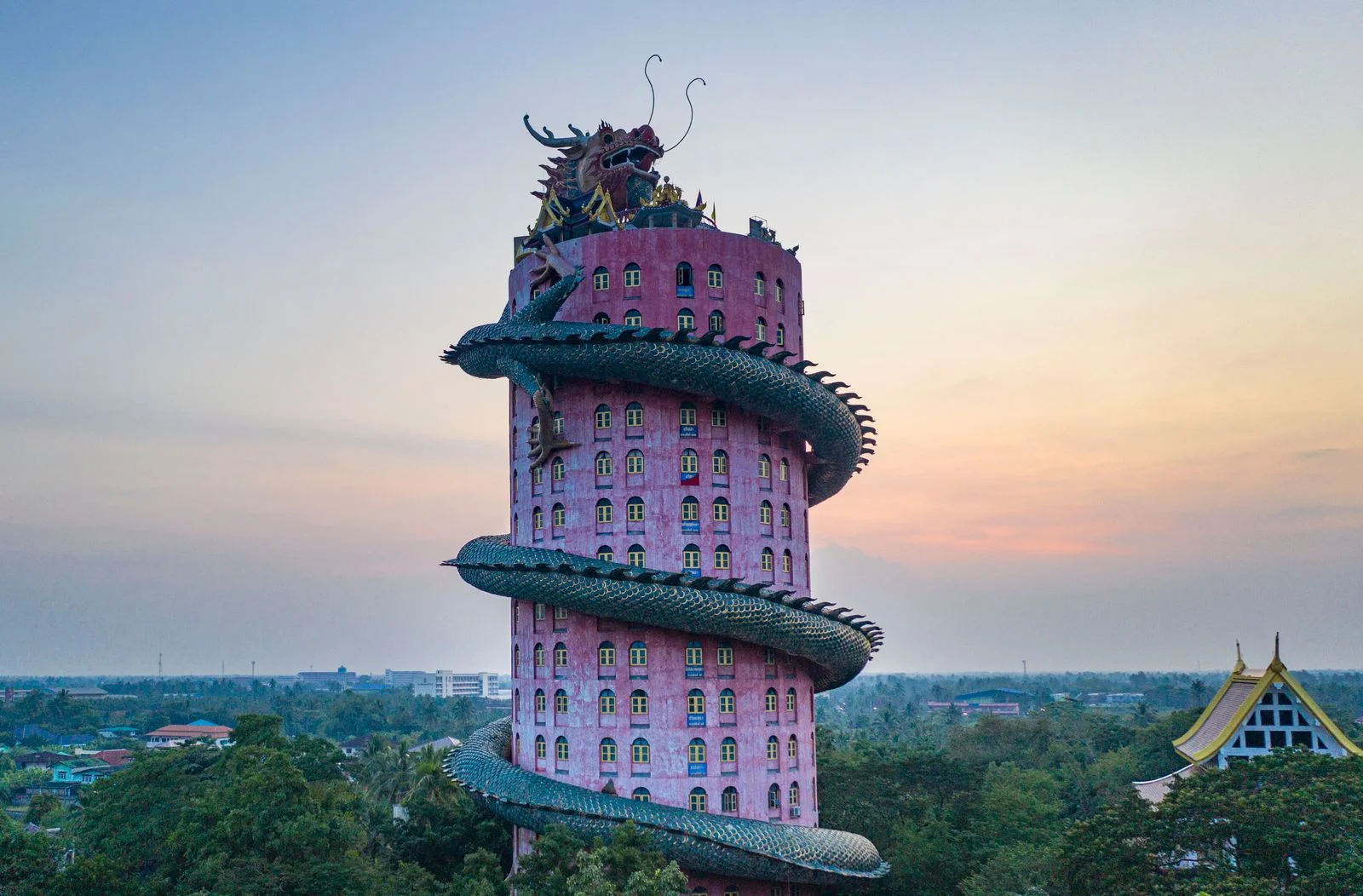
In Nakhon Pathom, about 40 kilometres west of the centre of Bangkok, lies Wat Sam Phran. This striking cylindrical pink tower is 17 storeys tall and is entirely wrapped by a massive dragon sculpture. Visitors may be able to walk through the dragon’s interior to reach the upper part of the tower, depending on current access conditions, where you’ll get panoramic views of the countryside.
Wat Pariwat (The ‘David Beckham’ Temple)
When looking at it quickly, Wat Pariwat seems to be a standard Theravada temple right on the river. Inspecting it closer will unveil some quirky twists.
The traditional artisans embedded some pop-culture icons right into the friezes of the temple alongside the more traditional ancient deities. You can see figures such as David Beckham, fictional characters such as Captain America and Batman, and even anime characters woven right into the ceramic and gold mosaic work.
The Erawan Museum
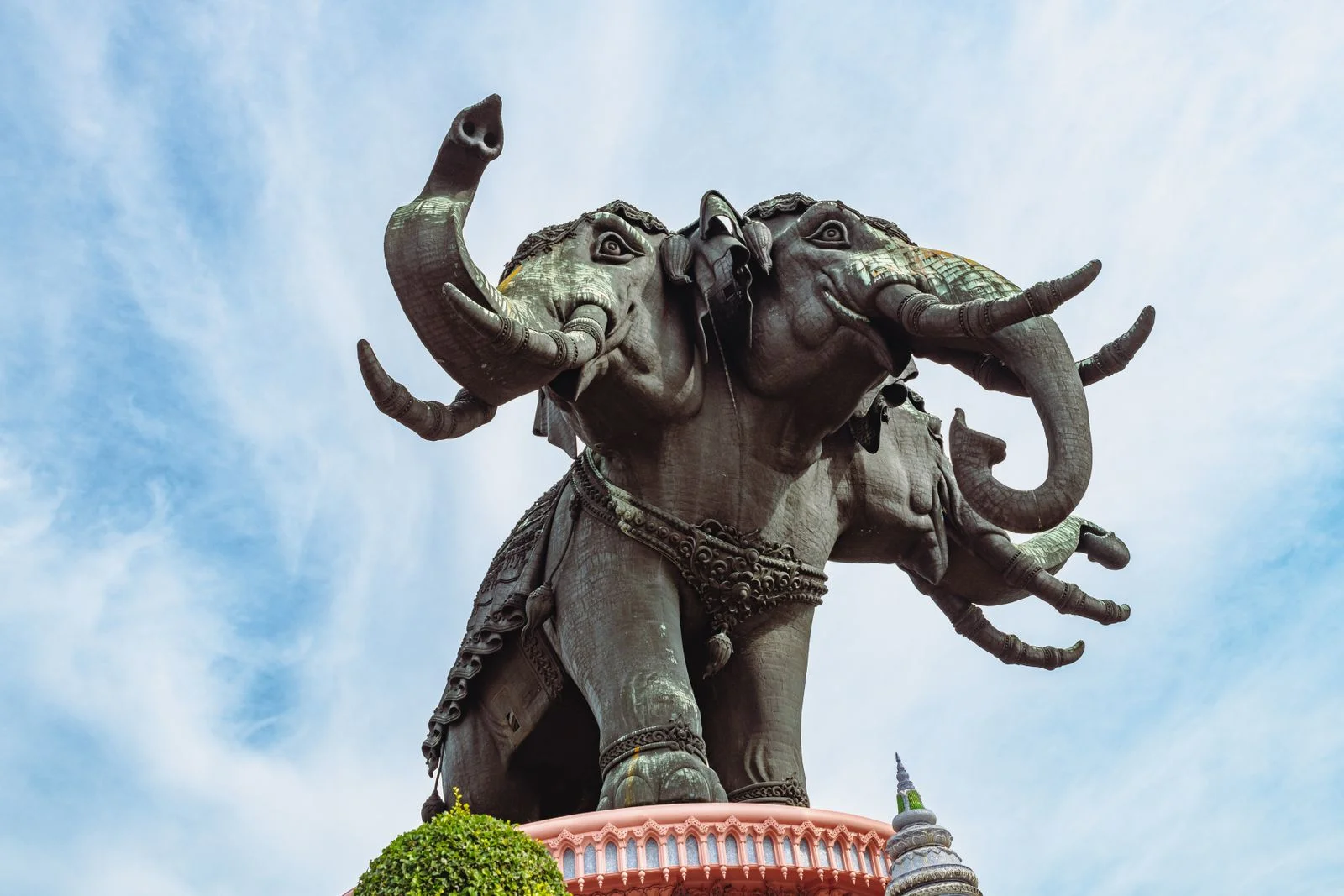
In Samut Prakan just south of Bangkok is The Erawan Museum. The main attraction here is the copper statue of Erawan, the three-headed elephant from Hindu mythology, standing approximately 29 meters tall. Its three interior levels represent the underworld, the human world and heaven, displaying antiques, religious objects and elaborate decorative details, including a stained-glass ceiling.
4. Local Markets & Living Culinary History
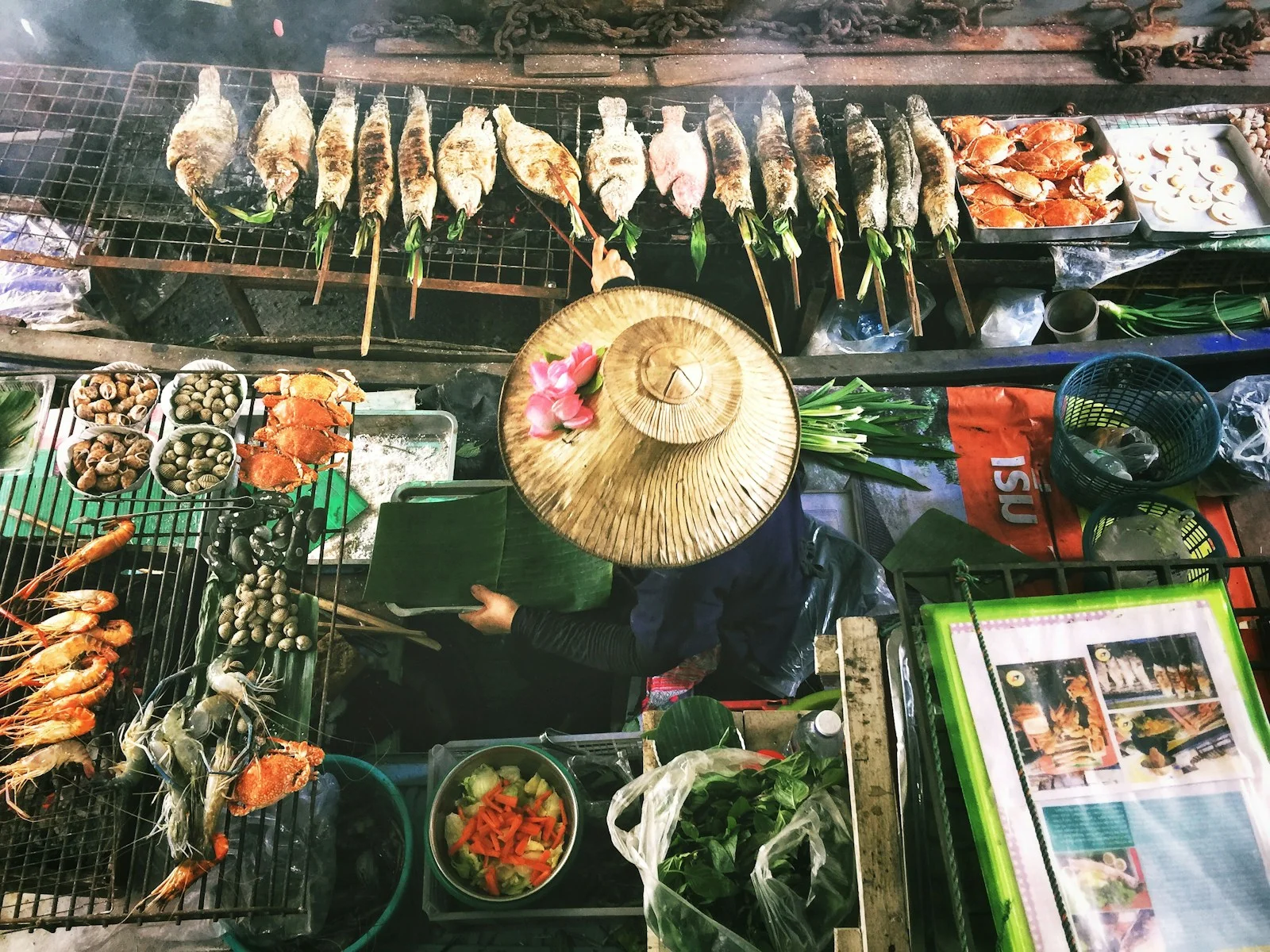
The culinary scene in Bangkok stretches well beyond the standard stalls in night markets and the touristy food strips.
Sampheng Market
Yaowarat Road in Chinatown can become extremely crowded at night. Visiting the Sampheng Market in the morning, though, offers a completely different experience.
Visit between 9 and 11 a.m. so you can explore its narrow covered wholesale lanes that are filled with street vendors, crafts and fabrics. It’s much less dense than the crowds during the evening.
Wattana Panich
In some cases, food in Bangkok is representative of ongoing family heritage. Wattana Panich, located in the Ekkamai neighbourhood, is famous for beef noodle soup made in massive bronze cauldrons.
The restaurant uses a continuous simmering method where they save a portion of the rich and aromatic broth and simmer it daily. This preserves a continuous flavour history that spans more than half a century.
Vivi The Coffee Place
Luxurious sky bars are fun and impressive, but you can avoid the inflated prices for cocktails and cover charges at casual riverside cafes such as Vivi The Coffee Place. Just across the Chao Phraya River from Wat Arun, this shop offers you a front-row seat to the setting sun behind iconic temple spires — all for the price of a local iced coffee.
5. Practice Travel Advice
If you want to navigate the hidden gems of Bangkok both effectively and respectfully, you should keep these practical tips in mind.
Master Alternative Methods of Transit
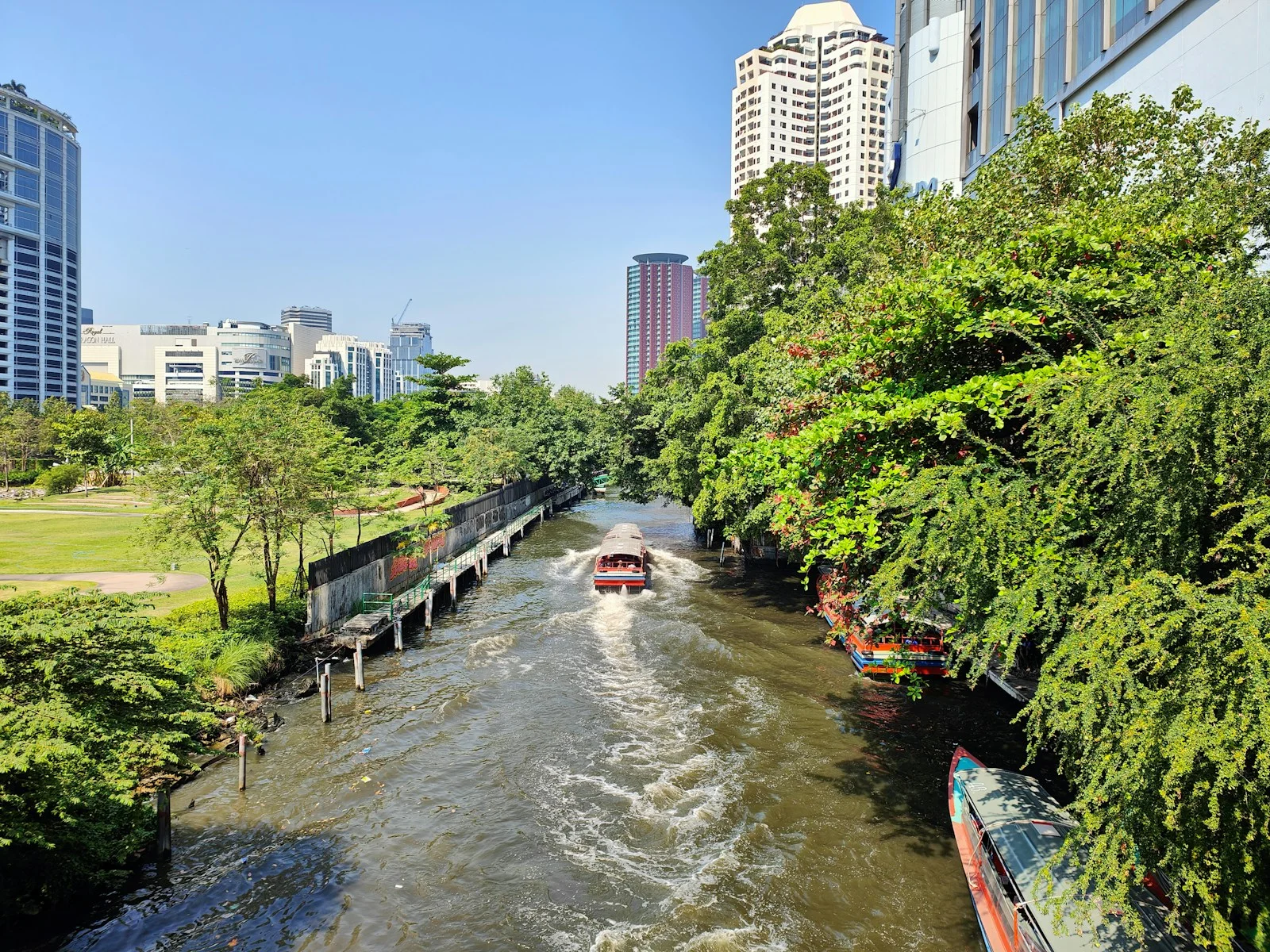
- Canal Boats (Klongs): The boat system in Saen Saep Canal is a fast transit route across the centre part of Bangkok, allowing you to bypass the gridlocked street traffic.
- Electric Tuk-Tuks and Bikes: The standard taxis typically struggle in the historical sois, which are quite narrow. Small electric Tuk-Tuks or taking a bike tour gives you direct access to these backstreet residential areas.
- Public Metro (MRT/BTS): By staying at a place near MRT or BTS Skytrain subway stations, your daily movement can become more efficient and allow you to avoid taxi fares.
Cultural & Neighbourhood Etiquette
- Dress Modestly: If you’re visiting a neighbourhood temple or quiet residential enclave, such as the Muslim canal communities near Saen Saep, you should keep your knees and shoulders covered.
- Respectful Pictures: Before you take a photo of local merchants, private homes or residents, make sure to ask their permission.
- Heat Management: It’s best to take a walking tour in the early morning or late afternoon. Then, when it’s scorching hot in the middle of the day, visit spaces that have air conditioning such as a local neighbourhood cafe or the Bangkok Art and Culture Centre (BACC).
Embrace Slow Travel in Bangkok
Travellers who are curious and want deliberate exploration are often rewarded with amazing experiences. By looking beyond the standard itineraries, you can experience the authentic rhythms of the city.
Embrace slower travel, step off the city’s main roads, and allow Bangkok to reveal its quietest and most captivating secrets.